Home › The Sea-Serpent › The Sea-Serpent: George
The Sea-Serpent: George
GEORGE DREVAR, Master of the Pauline.
Chittagong, January 15, 1876.
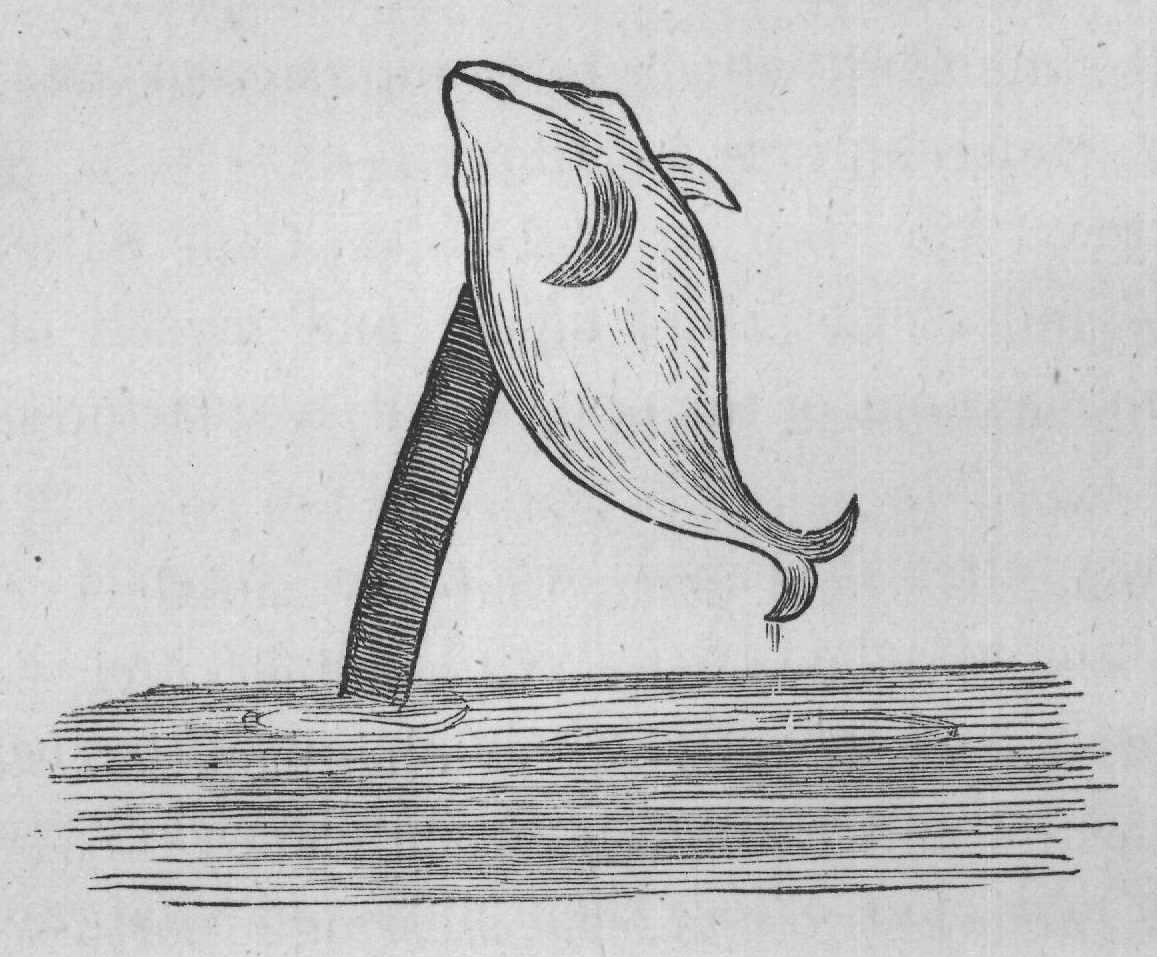
Captain George Drevar, of the barque Pauline, appeared on Wednesday morning at the Police-court, Dale-street, before Mr. Raffles, stipendiary magistrate, accompanied by some of his officers and part of the crew of the barque, when they made the following declaration :- "We, the undersigned, captain, officers, and crew of the barque Pauline, of London, do solemnly and sincerely declare that on July 8th, 1875, in latitude 5° 13', longitude 35° W., we observed three large sperm whales, and one of them was gripped round the body with two turns of what appeared to be a large serpent. The head and tail appeared to have a length beyond the coils of about thirty feet, and its girth eight or nine feet. The serpent whirled its victim round and round for about fifteen minutes, and then suddenly dragged the whale to the bottom, head first. "GEORGE DREVAR, Master, "HORATIO THOMPSON, "HENDERSON LANDELLO, "OWEN BAKER, "WILLIAM LEWAN. "Again, on July 13th, a similar serpent was seen about two hundred yards off, shooting itself along the surface, head and neck being out of the water several feet. This was seen only by the captain and one ordinary seaman. "GEORGE DREVAR, Master. "A few moments after, it was seen elevated some sixty feet perpendicularly in the air by the chief officer and the following able seamen, Horatio Thompson, Owen Baker, William Lewan. And we make this solemn declaration, conscientiously believing the same to be true. "GEORGE DREVAR, Master. "WILLIAM LEWAN, Steward. "HORATIO THOMPSON, Chief Officer, "JOHN HENDERSON LANDELLO, 2nd Officer, "OWEN BAKER."
Some confirmation of Captain Drevar's story is afforded by one quoted by the Rev. Henry T. Cheeves, in The Whale and his Captors. The author says:- "From a statement made by a Kinebeck shipmaster in 1818, and sworn to before a justice of the peace in Kinebeck county, Maine, it would seem that the notable sea-serpent and whale are sometimes found in conflict. At six o'clock in the afternoon of June 21st, in the packet Delia, plying between Boston and Hallowell, when Cape Ann bore westsouth-west about two miles, steering north-north-east, Captain Shuback West and fifteen others on board with him saw an object directly ahead, which he had no doubt was the sea-serpent, or the creature so often described under that name, engaged in fight with a large whale. • "The serpent threw up its tail from twenty-five to thirty feet in a perpendicular direction, striking the whale by it with tremendous blows, rapidly repeated, which were distinctly heard, and very loud, for two or three minutes; they then both disappeared, moving in a south-west direction; but after a few minutes reappeared in-shore of the packet, and about under the sun, the reflection of which was so strong as to prevent their seeing so distinctly as at first, when the serpent's fearful blows with his tail were repeated and clearly heard as before. They again went down for a short time, and then came up to the surface under the packet's larboard quarter, the whale appearing first, and the serpent in pursuit, who was again seen to shoot up his tail as before, which he held out of water for some time, waving it in the air before striking, and at the same time his head fifteen or twenty feet, as if taking a view of the surface of the sea. After being seen in this position a few minutes, the serpent and whale again disappeared, and neither was seen after by any on board. It was Captain West's opinion that the ?