Important: Safety Warning
This page states that certain wild plants are safe to eat. Its identifications and edibility claims are more than a century old and in some cases simply wrong, and deadly look-alikes exist for many edible species. Never eat a wild plant on the strength of this text.
This information has been left in for historical purposes but should not be acted upon.
Home › Contents › Milking the Cow-Tree
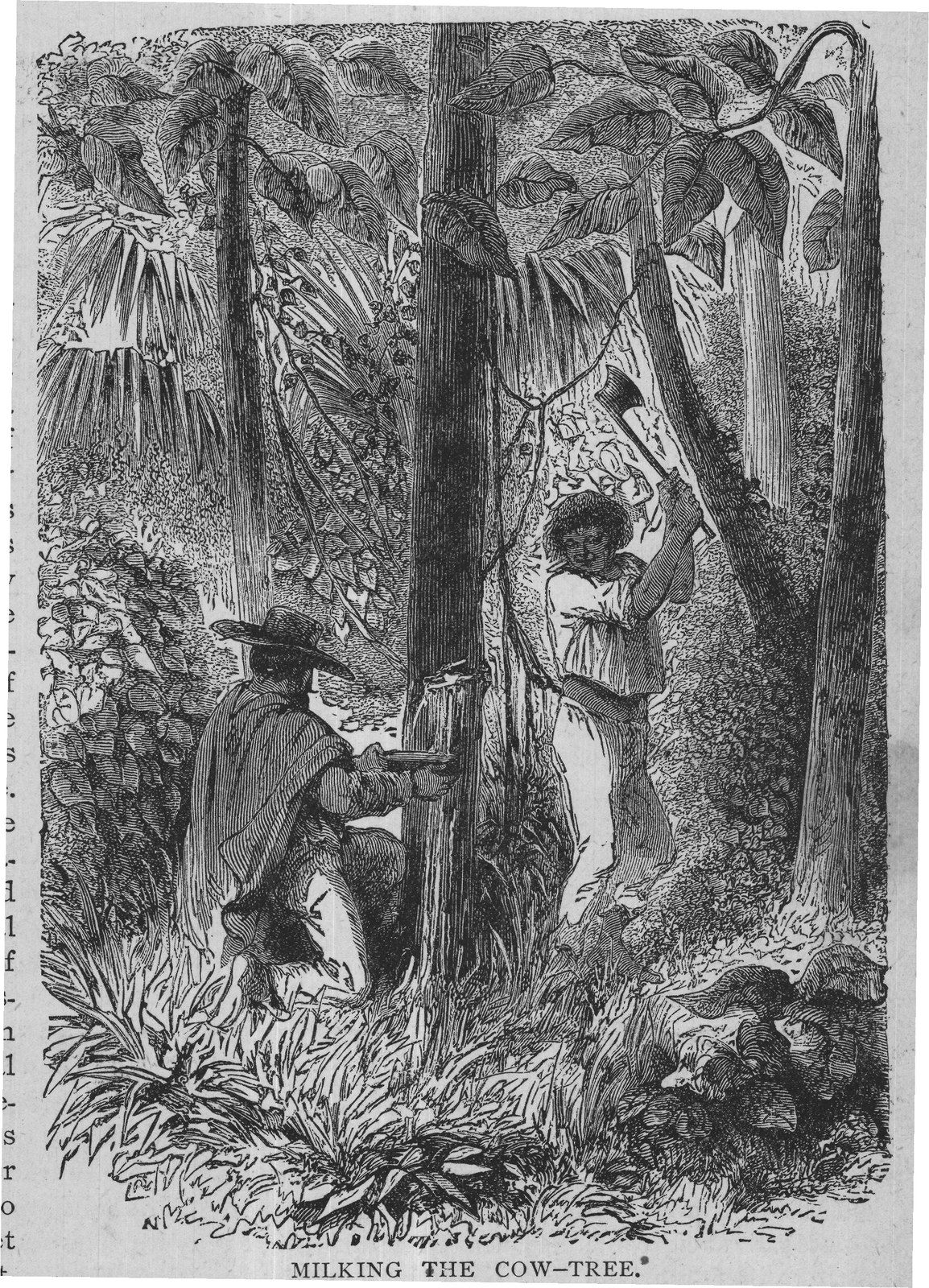
Milking the Cow-Tree
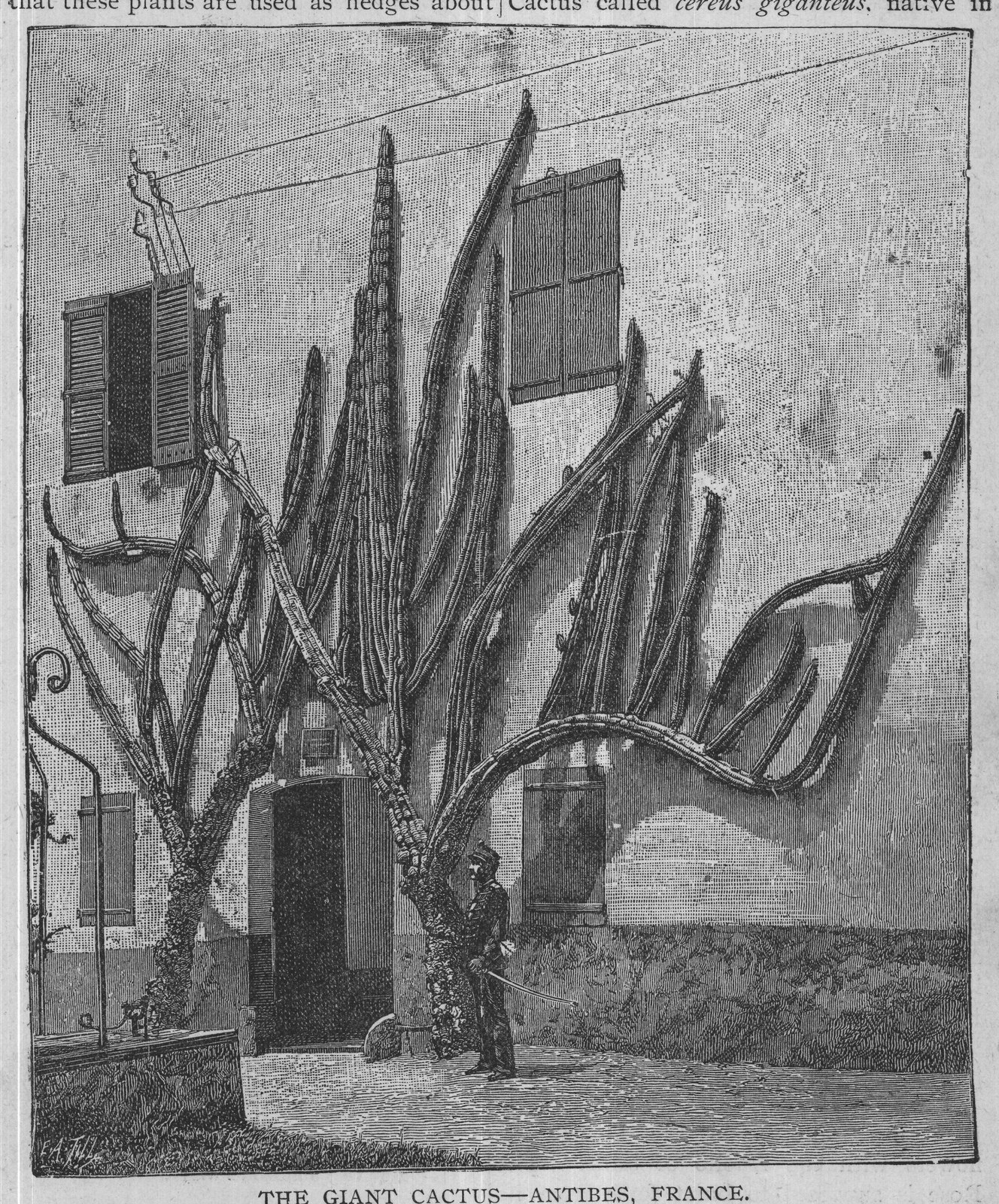
ing, and it is up this alluring but fatal | downward, till it falls into the fluid below, pathway that ants, bugs, and other creep- and then it passes rapidly through the ing insects pass. stages of intoxication and death. So Having once passed over the upper effectual is the breastwork of bristles that the insect rarely escapes which crawls food and salutary remedies; on the other, over the rim of that voracious cup. The she only distils poisons, as though in tube is often found filled to the depth of the laboratory of Medea. Here we see several inches with a mass of decaying opium perspiring like a milky dew from hornets, beetles, ants, flies and worms. the heads of our poppies, and becoming so indispensable to the art of medicine, that A Tree that Gives Milk. 1 In Caracas, in South America, grows Sydenham, the Hippocrates of modern the Cow-tree, which, when its trunk is times, said he would renounce his prowounded, furnishes an abundant supply fession were he deprived of this powerful of milk, of which the traveller can confi- anodyne. There we behold the poisons dently drink freely, for it unites all the of belladonna, datura, and henbane, by qualities of the milk of our domestic ani- turns useful and deadly. mals, which it entirely replaces in some But no tree bears in its invisible laboracountries of America. We take the tories such precious crystals as the cinfollowing extract from the journal of a chona; Nature offers us no other medicine traveller in South America: Supplied which is so potent. The cinchona alone with vessels, we went on a few yards arrests the ravages of deadly fevers in further, when we stopped under an enor- their fatal progress; without it many mous tree, one of the giants of the forest. countries would be uninhabitable; many Its trunk was covered with deeply scored journeys impossible. Hence in their reddish and rugged bark. A native patted enthusiasm about its marvellous power, it, saying, "This my cow." Another tree many physicians, in imitation of Torti, of the same species, but much smaller, have given it the name of "herculean grew near. He ran to it, and saying, remedy." "Small cow give better milk," began to As respects the Milk or Cow-tree, Humattack it with his axe. After making a boldt, who analyzed its products, states few strokes, out flowed a perfectly white that its physical properties are exactly liquid, which was caught in the monkey- similar to those of cow's milk, except that cup. The milk continued to flow in great it is a little more viscous. It is remarkabundance, so that we soon had four cups able for containing an enormous quantity filled full of the tempting liquid. On tast- of wax. This substance constitutes half ing it we found it sweet, and of a not un- of its weight, and hence the learned pleasant flavor, and wonderfully like milk. chemist proposed to cultivate the tree in One of the trees which yield our internal order to extract the wax. The Giant Cactus. economy services as important as the preceding is the butter-tree. It furnishes Our young readers probably know of a the negroes of the Niger with a secretion great many species of Cactus, famous for which they substitute for the ingredient its remarkable hardiness and beautiful used in our kitchens, and with which they flowers. The different species of this prepare all their food. It is sold abun- plant play a prominent part in the flora dantly in their markets, where it is known of tropical countries, and sometimes atas shea-butter. tain to quite a gigantic growth, for ex- Nature offers us in profusion the ample in Mexico and Central America, as greatest contrasts. On one side, with well as in the southernmost parts of the generous and beneficent hand she lavishes United States. Books of travel have taught our readers enormous height, especially the column that these plants are used as hedges about Cactus called cereus giganteus, native in