Home › Extinction of Species › Extinction of Species: Mauritius
Extinction of Species: Mauritius
As examples of total extinction in late years, we may mention the dodo, the solitaire, and species allied to them, in the islands of Mauritius, Bourbon, and Reunion; the moa in New Zealand; the Æpiornis in Madagascar; the great auk, Alca impennis, in northern seas, and the Rhytina Stelleri, common once in the latitude of Behring's Straits, and described by Steller in 1742.
The Dodo, a native of the island of Mauritius, was about 50 lbs. in weight, and covered with loose downy plumage, it FIG. 15. SKELETON OF RHYTINA STELLERI. (From "The Voyage of the Vega.") was unable to rise from the ground in consequence of the imperfect development of its wings; it was minutely described by Sir Thomas Herbert in 1634, and specimens of the living bird and of its skin were brought to Europe. Its unwieldiness led to its speedy destruction by the early voyagers.
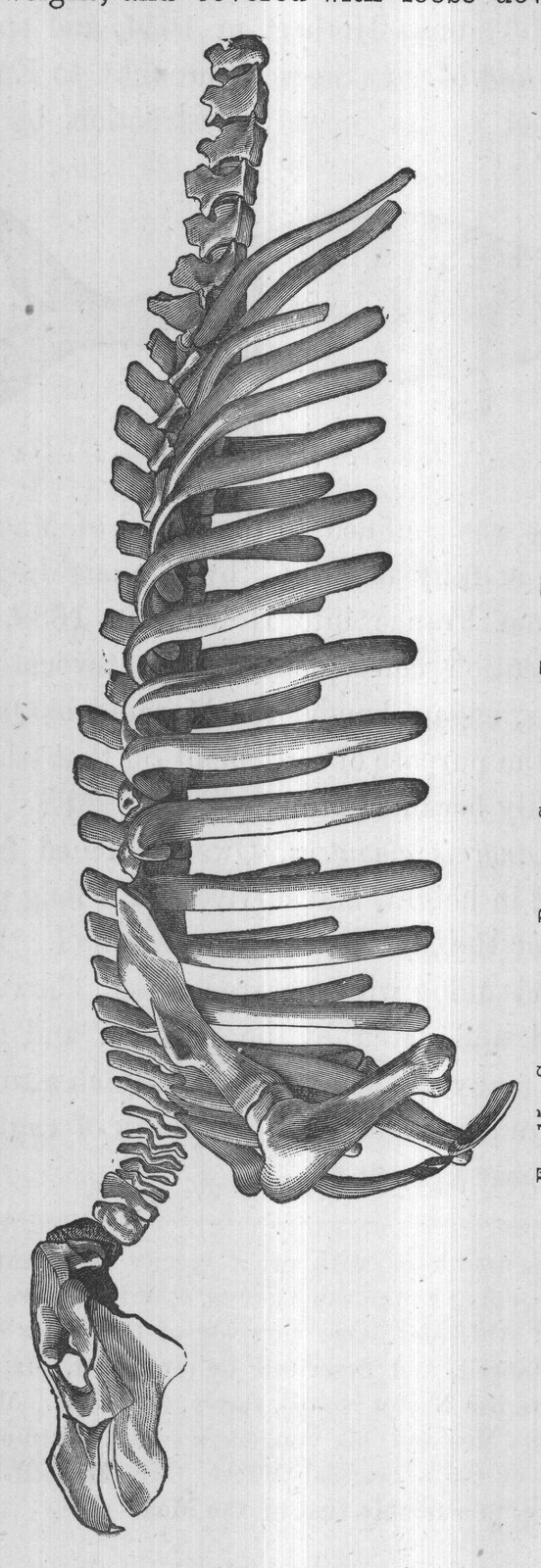
FIG. 16. RHYTINA STELLERI. (From "The Voyage of the Vega. ") The Solitaire was confined to the island of Mascaregue or Bourbon. It is fully described by Francis Leguat, who, having fled from France into Holland in 1689, to escape religious persecution consequent on the revocation of the Edict of Nantes, engaged under the Marquis de Quesne in an expedition for the purpose of settlement on that island. This bird also speedily became extinct.
The Moa (Dinornis giganteus, Owen) reached from twelve to fourteen feet in height, and survived for a long period after the migration of the Maories to New Zealand. Bones of it have been found along with charred wood, showing that it had been killed and eaten by the natives; and its memory is preserved in many of their traditions, which also record the existence of a much larger bird, a species of eagle or hawk, which used to prey upon it.* * The Moa was associated with other species also nearly or totally extinct: some belonging to the same genus, others to those of Papteryx, of Nestor, and of Notornis. One survivor of the latter was obtained by Mr. Gideon Mantell, and described by my father, Mr. John Gould, in 1850. I believe the Nestor is still, rarely, met with. Mr. Mantell is of opinion that the Moa and his congeners continued in existence long after the advent of the aboriginal Maori. Mr. Mantell discovered a gigantic fossil egg, presumably that of the Moa.
Rapidly approaching total extinction are the several species of Apteryx in the same country-remarkable birds with merely rudimentary wings: as also the Notornis, a large Rail at first, and for a long time, only known in the fossil state, but of which a living specimen was secured by Mr. Walter Mantell in 1849: and the Kapapo (Strigops habroptilus) of G. R. Gray-a strange owl-faced nocturnal groundparrot. The Epyornis maximus was almost as large as the Moa; of this numerous fossil bones and a few eggs have been discovered, but there are not, I believe, any traditions extant among the natives of Madagascar of its having survived to a late period.
The Great Auk (Alca impennis) is now believed to be extinct. It formerly occurred in the British Isles, but more abundantly in high latitudes; and its remains occur in great numbers on the shores of Iceland, Greenland, and Denmark, as also of Labrador and Newfoundland.