Home › Introduction › Introduction: Mercury
Introduction: Mercury
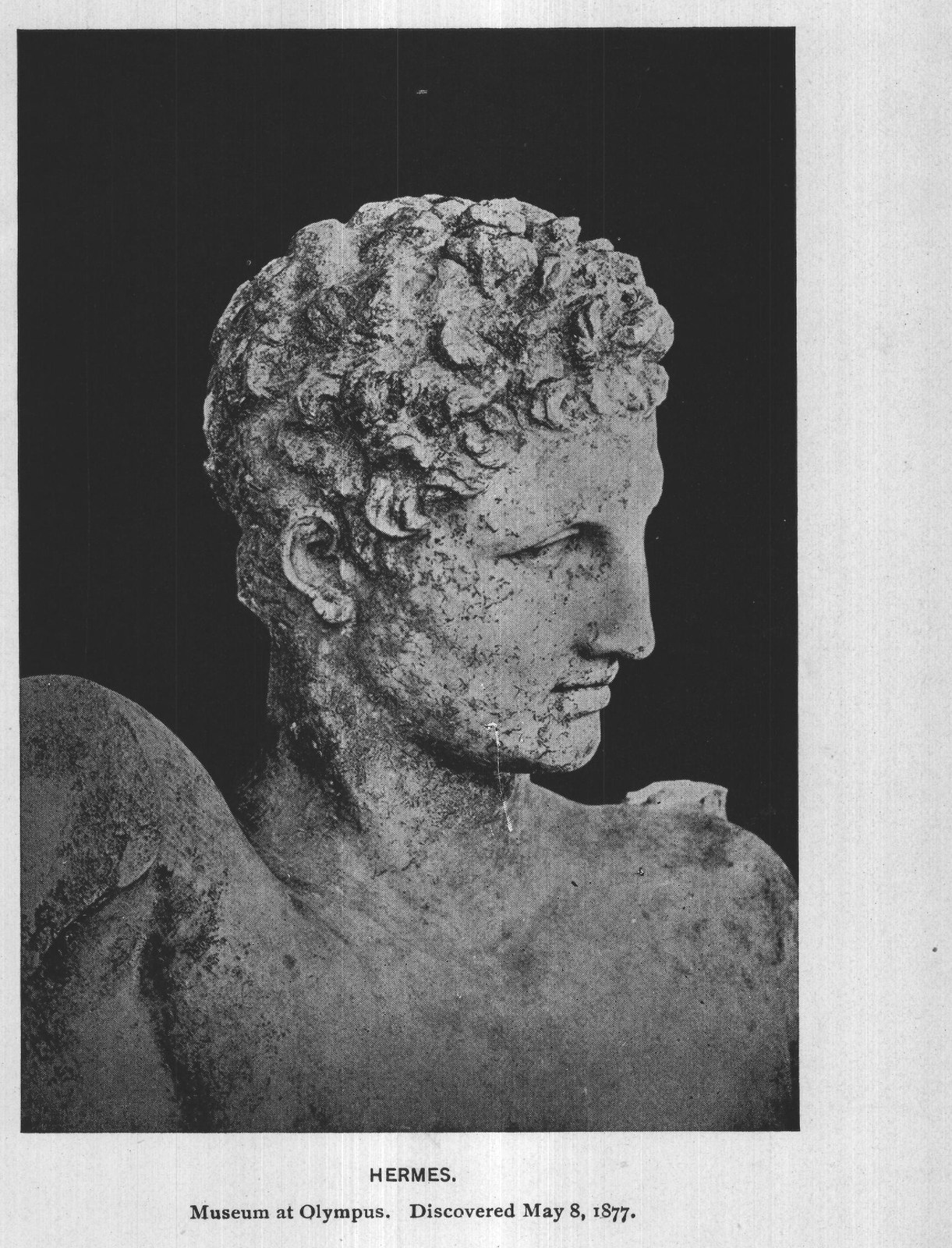
Mercury (Hermes) was the son of Jupiter and Maia. He presided over commerce, wrestling, and other gymnastic exercises, even over thieving, and everything, in short, which required skill and dexterity. He was the messenger of Jupiter, and wore a winged cap and winged shoes. He bore in his hand a rod entwined with two serpents, called the caduceus.
Mercury is said to have invented the lyre. He found, one day, a tortoise, of which he took the shell, made holes in the opposite edges of it, and drew cords of linen through them, and the instrument was complete. The cords were nine, in honor of the nine Muses. Mercury gave the lyre to Apollo, and received from him in exchange the caduceus (From this origin of the instrument, the word "shell" is often used as synonymous with "lyre," and figuratively for music and poetry. Thus Gray, in his ode on the "Progress of Poesy," says: "O Sovereign of the willing Soul, Parent of sweet and solemn-breathing airs, Enchanting shell! the sullen Cares And frantic Passions hear thy soft control.").
Ceres (Demeter) was the daughter of Saturn and Rhea. She had a daughter named Proserpine (Persephone), who became the wife of Pluto, and queen of the realms of the dead. Ceres presided over agriculture.
Bacchus (Dionysus), the god of wine, was the son of Jupiter and Semele. He represents not only the intoxicating power of wine, but its social and beneficent influences likewise, so that he is viewed as the promoter of civilization, and a lawgiver and lover of peace.
The Muses were the daughters of Jupiter and Mnemosyne (Memory). They presided over song, and prompted the memory. They were nine in number, to each of whom was assigned the presidence over some particular department of literature, art, or science. Calliope was the muse of epic poetry, Clio of history, Euterpe of lyric poetry, Melpomene of tragedy, Terpsichore of choral dance and song, Erato of love poetry, Polyhymnia of sacred poetry, Urania of astronomy, Thalia of comedy.
The Graces were goddesses presiding over the banquet, the dance, and all social enjoyments and elegant arts. They were three in number. Their names were Euphrosyne, Aglaia, and Thalia.
Spenser describes the office of the Graces thus: "These three on men all gracious gifts bestow Which deck the body or adorn the mind, To make them lovely or well-favored show; As comely carriage, entertainment kind, Sweet semblance, friendly offices that bind, And all the complements of courtesy; They teach us how to each degree and kind We should ourselves demean, to low, to high, To friends, to foes; which skill men call Civility."
The Fates were also three--Clotho, Lachesis, and Atropos. Their office was to spin the thread of human destiny, and they were armed with shears, with which they cut it off when they pleased. They were the daughters of Themis (Law), who sits by Jove on his throne to give him counsel.
The Erinnyes, or Furies, were three goddesses who punished by their secret stings the crimes of those who escaped or defied public justice. The heads of the Furies were wreathed with serpents, and their whole appearance was terrific and appalling. Their names were Alecto, Tisiphone, and Megaera. They were also called Eumenides.
Nemesis was also an avenging goddess. She represents the righteous anger of the gods, particularly towards the proud and insolent. Pan was the god of flocks and shepherds. His favorite residence was in Arcadia.
The Satyrs were deities of the woods and fields. They were conceived to be covered with bristly hair, their heads decorated with short, sprouting horns, and their feet like goats' feet.
Momus was the god of laughter, and Plutus the god of wealth.